Why Shower Grout Cracks and How Professional Regrouting Can Help
Cracked shower grout is a common problem in bathrooms across Auckland. You may first notice a small crack between the tiles, loose grout around the shower floor, or areas where the grout has started to fall out.
Although a small crack may not look serious, damaged grout should not be ignored. Shower grout helps protect the joints between tiles, and when it becomes cracked or deteriorated, water can find its way into areas where it should not.
The good news is that cracked grout does not always mean you need a complete bathroom renovation. In many cases, professional shower regrouting can restore the grout and give your shower a fresh, clean finish.
What Causes Shower Grout to Crack?
There are several reasons why shower grout can crack over time. Understanding the cause can help you choose the right repair.
1. Natural Movement of the Building
Buildings can move slightly over time. Changes in temperature, moisture and normal structural movement can put pressure on tiled surfaces.
When the movement becomes greater than the grout can handle, cracks may appear along the joints.
2. Old and Deteriorated Grout
Grout does not last forever. Over years of regular shower use, water exposure and cleaning, grout can become weak and start to deteriorate.
Old grout may become:
- Cracked
- Loose
- Powdery
- Discoloured
- Missing from the joints
- Difficult to keep clean
When you start seeing these signs, professional tile regrouting may be worth considering.
3. Constant Water Exposure
The shower is one of the wettest areas of your home. Grout is exposed to water almost every day.
Over time, repeated wetting and drying can contribute to grout deterioration, particularly when the existing grout is old or porous.
4. Incorrect Grout Installation
Poor preparation or incorrect application during the original installation can also contribute to premature cracking.
If grout was not properly mixed, applied or allowed to cure, it may not perform as expected.
5. Damaged Tiles or Tile Movement
If individual tiles are loose or moving, the grout between them can crack.
In this situation, simply replacing the grout may not solve the underlying issue. The tiles and surrounding area should be checked before regrouting.
Why Should You Repair Cracked Shower Grout?
It can be tempting to ignore a small crack, especially when the rest of the shower looks fine.
However, damaged grout can allow water to enter the joints between or around the tiles. Depending on the shower construction and waterproofing, continued moisture can contribute to further damage.
Cracked grout can also make your bathroom look older and make cleaning more difficult.
Repairing damaged grout early can help prevent a small maintenance issue from becoming a larger problem.
Can You Just Repair the Cracked Area?
Sometimes a small area can be repaired. However, if the grout throughout the shower is old or deteriorated, repairing only one section may not provide a consistent or lasting result.
For example, you may repair one cracked joint and then notice another area cracking a few weeks or months later.
A professional can inspect the whole shower and determine whether you need a small grout repair or complete shower regrouting.
What Is Professional Shower Regrouting?
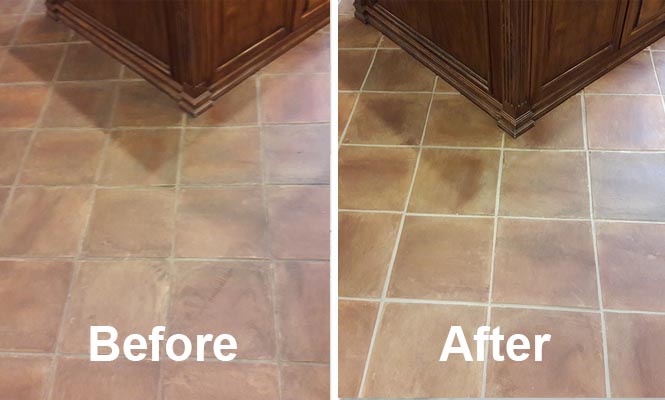
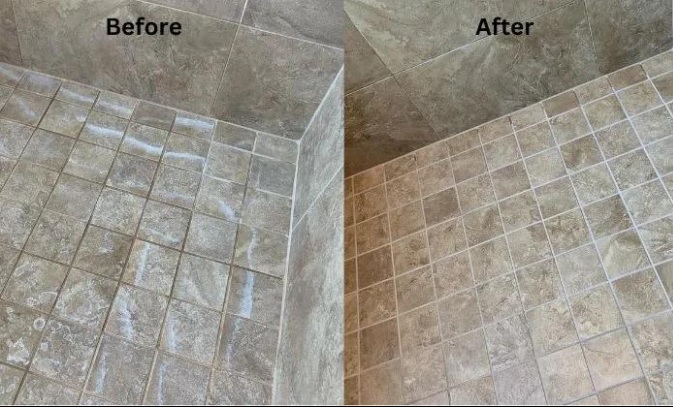
Professional shower regrouting involves removing damaged or deteriorated grout from the tile joints and replacing it with fresh grout.
The process is more than simply applying new grout over the old surface.
Step 1: Inspect the Shower
The shower is checked for cracked grout, loose tiles, mould, damaged silicone and other visible problems.
Step 2: Remove the Old Grout
Damaged grout is carefully removed from the joints between the tiles.
This creates a clean surface for the new grout.
Step 3: Prepare the Joints
The joints are cleaned and prepared before the new grout is applied.
Good preparation is important because new grout needs a suitable surface to bond correctly.
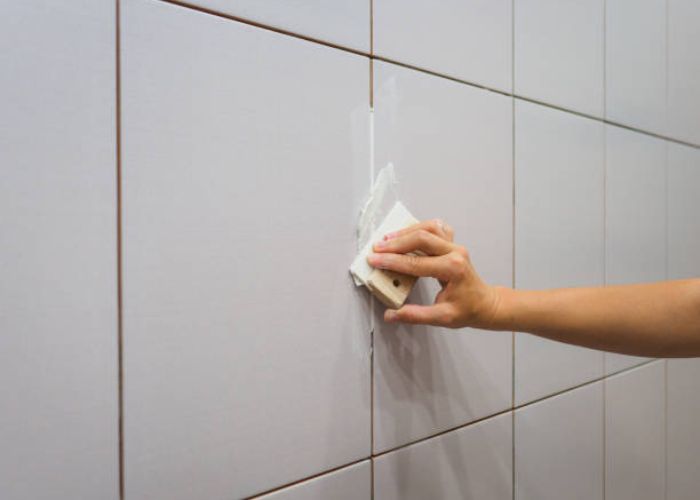
Step 4: Apply New Grout
Fresh grout is applied to the prepared tile joints. The grout is then finished to create a neat and consistent appearance.
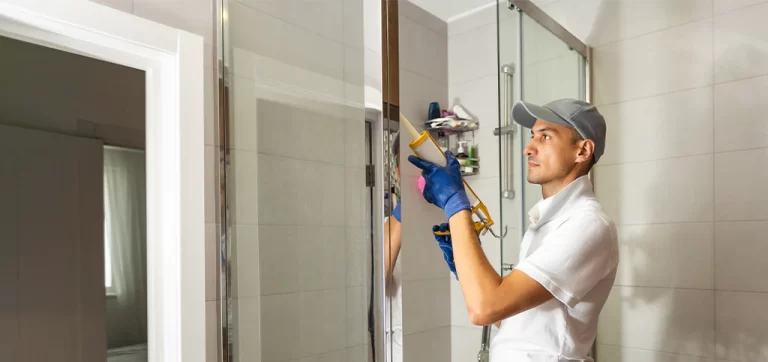
Step 5: Replace Damaged Silicone
If the shower silicone is cracked, mouldy or deteriorated, it may also need to be removed and replaced.
Step 6: Final Inspection
The completed work is checked to make sure the grout lines are properly filled and the shower has a clean finish.
Can Regrouting Fix a Leaking Shower?
This depends on the cause of the leak.
If water is escaping because of damaged grout or failed joints, regrouting and silicone replacement may help address the problem.
However, not every shower leak is caused by grout.
A leak may also be related to:
- Plumbing problems
- Damaged waterproofing
- Movement behind the tiles
- Failed shower fittings
- Water entering areas behind the tiled surface
For this reason, a leaking shower should be assessed rather than assuming that new grout will solve the problem.
What About Epoxy Shower Regrouting?
Epoxy grout is an option for some shower applications.
Compared with traditional cement-based grout, epoxy grout is highly resistant to water and staining. It can be useful in wet areas when installed correctly.
However, epoxy grout requires careful preparation and application. The right product and installation method depend on the condition and construction of the shower.
If you are considering epoxy shower regrouting in Auckland, a professional can inspect your shower and discuss the available options.
Signs Your Shower May Need Regrouting
You may need professional shower regrouting if you notice:
- Cracks running through the grout
- Grout falling out between tiles
- Loose or damaged grout
- Black or mouldy grout
- Persistent discolouration
- Water escaping from shower joints
- Old, worn-looking grout
- Cracked or mouldy silicone
- Tiles that appear loose or move slightly
If several of these problems are present, it may be more practical to regrout the shower rather than repeatedly repairing individual areas.
Regrouting vs Bathroom Renovation
Cracked grout does not automatically mean your bathroom needs a complete renovation.
If your tiles are still in good condition and the shower structure is sound, regrouting can refresh the appearance of the shower without removing all the tiles.
Professional regrouting may be suitable when the main problem is old, cracked or deteriorated grout.
A full renovation may be more appropriate when there are extensive problems with the tiles, waterproofing, plumbing or overall bathroom structure.
An inspection can help determine which approach is suitable.
How Can Auckland Homeowners Protect Shower Grout?
Once your shower has been regrouted, regular maintenance can help keep the area in good condition.
Some simple steps include:
- Use an extractor fan during and after showering
- Keep the shower area well ventilated
- Remove excess water from tiled surfaces
- Clean the shower regularly
- Avoid harsh cleaning methods that can damage grout
- Check grout lines for cracks
- Check silicone joints for mould or deterioration
- Deal with damaged grout before the problem becomes worse
Regular maintenance can help you identify problems early.
Why Choose Professional Shower Regrouting in Auckland?
Professional regrouting can save you from replacing tiles or renovating the entire bathroom when the main issue is deteriorated grout.
A professional can assess the condition of your shower, remove the damaged grout correctly and install new grout with the appropriate preparation.
For Auckland homeowners, this can be a practical way to improve the appearance and condition of an ageing shower.
Frequently Asked Questions
Is cracked shower grout a serious problem?
Cracked grout should not be ignored. It can allow moisture to enter the joints and may indicate that the grout or surrounding area has deteriorated.
Can cracked grout be repaired without replacing tiles?
In many cases, yes. If the tiles are still in good condition, the damaged grout can often be removed and replaced without replacing the tiles.
How long does shower regrouting last?
The lifespan depends on the condition of the shower, the products used, installation quality and ongoing maintenance.
Can I put new grout over cracked grout?
Simply covering damaged grout with new grout is generally not the preferred approach. Damaged grout should be properly removed and the joints prepared before new grout is installed.
Does regrouting stop water leaks?
It can help when damaged grout or joints are contributing to the water problem. However, leaks caused by plumbing, waterproofing or other issues require further investigation.
Is epoxy grout suitable for shower walls?
Epoxy grout can be suitable for shower areas because of its resistance to water and staining. Professional installation is important for achieving the desired result.
Professional Shower Regrouting in Auckland
Cracked shower grout can start as a small cosmetic issue but may become more difficult to manage if the damage continues.
If your shower has cracked, loose, mouldy or deteriorated grout, professional regrouting can help restore the tile joints and improve the overall appearance of your bathroom.
Before starting the work, a professional assessment can determine whether your shower needs tile regrouting, epoxy grout, silicone replacement or further investigation for an underlying moisture problem.
If you are looking for professional shower regrouting in Auckland, getting the condition of your shower checked can be a useful first step.