5 Common Shower Grout Problems Auckland Homeowners Shouldn’t Ignore
The grout between your shower tiles may seem like a small part of your bathroom, but it plays an important role in keeping the tiled area in good condition. Over time, grout can crack, become mouldy, change colour or start falling out.
For Auckland homeowners, regular exposure to water and humidity can make shower grout problems more noticeable. Ignoring damaged grout may also allow moisture to reach areas where it should not.
The good news is that many shower grout problems can be repaired without replacing the entire bathroom. Professional shower regrouting can often restore damaged grout and give an older shower a cleaner appearance.
Here are five common shower grout problems you should not ignore.
1. Cracked Shower Grout
Cracked grout is one of the most common signs that your shower needs attention.
You may notice small cracks between individual tiles or longer cracks running along the shower wall or floor. Cracks can develop because of normal movement, ageing grout, repeated water exposure, tile movement or poor original installation.
A small crack may not seem important, but damaged grout can allow moisture to enter the joints.
If you continue to see new cracks appearing after repairs, the entire shower may need to be inspected.
What Can You Do?
If the tiles are still in good condition, professional shower regrouting may be an option. The damaged grout can be removed and replaced with fresh grout rather than replacing the tiles.
2. Mouldy or Black Shower Grout
Black or mouldy grout can make an otherwise clean bathroom look old and poorly maintained.
Mould often develops because shower areas remain damp. Poor ventilation, constant moisture and deteriorated grout can make the problem worse.
Cleaning may remove surface mould temporarily, but if the grout is old, porous or damaged, the mould may keep returning.
When Should You Consider Regrouting?
If you have repeatedly cleaned the grout but the mould comes back, it may be worth having the shower assessed.
Professional regrouting can remove deteriorated grout and replace it with new material. Damaged silicone around the shower may also need to be replaced.
It is also important to identify the source of excessive moisture rather than simply covering the visible mould.
3. Grout Falling Out Between Tiles
Another problem Auckland homeowners may notice is grout becoming loose or disappearing from the joints.
You may see small gaps between tiles where the grout has worn away. In some cases, you can even remove loose pieces of grout with very little effort.
Missing grout leaves the joints exposed and can allow water to reach areas behind the tiled surface.
Why Does Grout Fall Out?
Possible causes include:
- Age and general wear
- Excessive moisture
- Incorrect original installation
- Tile movement
- Cracking
- Poor-quality or deteriorated grout
If only a small area is affected, a local repair may be possible. However, if grout is failing throughout the shower, complete shower regrouting may be a better option.
4. Discoloured or Stained Grout
Grout can become yellow, brown, grey or darker over time.
Some discolouration is simply caused by everyday use, soap residue and dirt. However, persistent staining can also be associated with moisture, mould or ageing grout.
When regular cleaning no longer restores the original appearance, it may be a sign that the grout itself has deteriorated.
Can Regrouting Improve the Appearance?
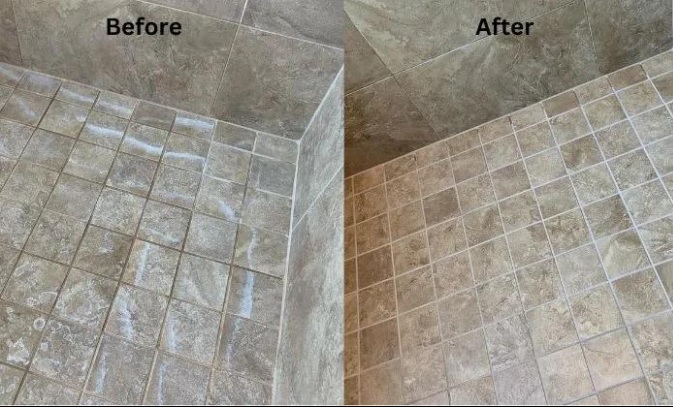
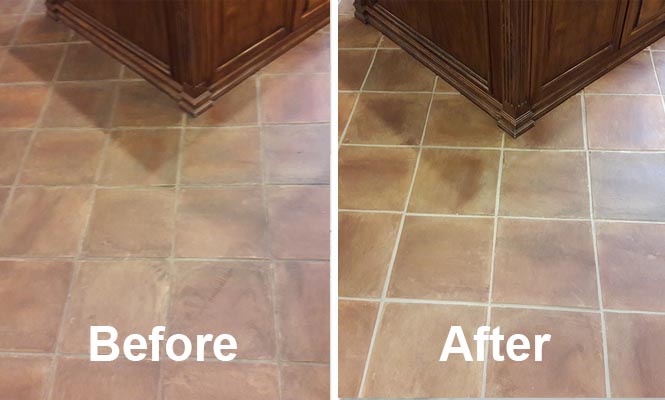
Yes. Replacing old, stained grout can make a noticeable difference to the appearance of a shower.
New grout creates cleaner lines between the tiles and can make an older bathroom look fresher without requiring a complete renovation.
5. Cracked or Mouldy Shower Silicone
Although silicone is not grout, it is another important part of a tiled shower.
Silicone is commonly used around corners, joints and areas where different surfaces meet. Over time, it can become:
- Cracked
- Loose
- Mouldy
- Discoloured
- Shrinked or separated from the surface
Damaged silicone can allow water to enter joints where it should not.
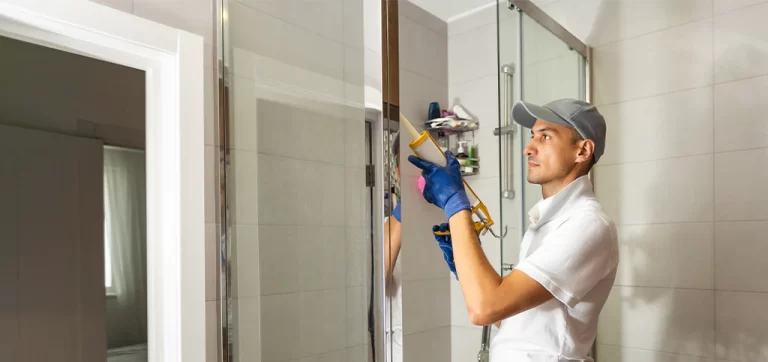
This is why professional shower restoration often includes both grout replacement and silicone replacement when required.
Why You Shouldn’t Ignore Shower Grout Problems
A small grout problem can gradually become a larger maintenance issue.
Damaged grout can make the shower harder to clean and may allow moisture to reach areas behind or around the tiles. If there is an underlying waterproofing or plumbing problem, ignoring the signs can make the situation more complicated.
Not every cracked or mouldy grout line means there is serious water damage. However, persistent problems deserve proper inspection.
Does Cracked Grout Mean You Need a New Bathroom?
Not necessarily.
Many homeowners assume that damaged shower grout means the entire shower needs to be removed and rebuilt. In some situations, the tiles and underlying shower structure may still be in good condition.
Professional tile regrouting can be a practical option when the main problem is old or damaged grout.
Depending on the condition of the shower, the work may include:
- Removing old grout
- Installing new grout
- Epoxy shower regrouting
- Replacing damaged silicone
- Cleaning and preparing tile joints
- Inspecting for visible moisture problems
If the tiles, waterproofing or plumbing have major issues, however, regrouting alone may not be enough.
What Is Involved in Professional Shower Regrouting?
Professional regrouting starts with an inspection of the shower.
The condition of the grout, tiles and silicone is checked to understand the extent of the problem.
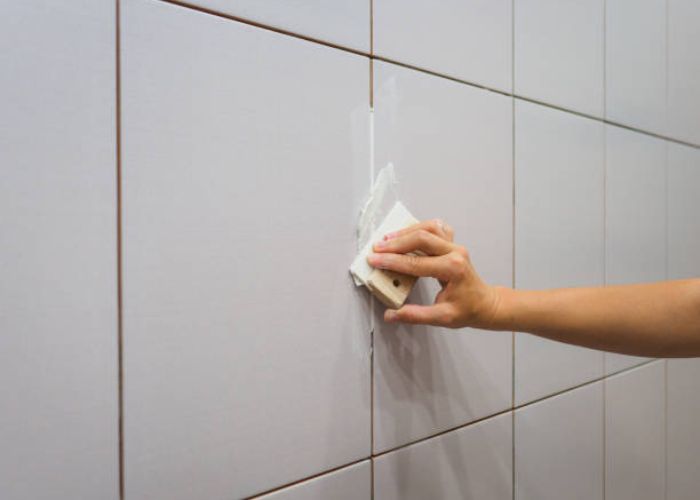
The damaged grout is then carefully removed from the joints. The joints are cleaned and prepared before fresh grout is applied.
Where necessary, old silicone is also removed and replaced.
The result is a cleaner-looking shower with fresh grout lines and renewed joints.
What About Epoxy Shower Regrouting?
Epoxy grout is another option for shower areas.
It is highly resistant to water and staining compared with traditional cement-based grout. When properly installed, epoxy grout can be suitable for wet areas such as showers.
However, epoxy grout requires careful preparation and application. A professional can assess your shower and help determine whether epoxy regrouting is appropriate.
How Auckland Homeowners Can Prevent Grout Problems
You cannot prevent grout from ageing completely, but regular maintenance can help.
Try to:
- Keep the shower well ventilated
- Use an extractor fan during and after showering
- Wipe excess water from shower surfaces
- Clean grout regularly
- Check grout lines for cracks
- Check silicone for mould or separation
- Repair damaged grout early
- Avoid allowing water to remain on shower surfaces for long periods
These simple steps can help you spot problems before they become more extensive.
When Should You Call a Professional?
Consider getting your shower inspected if you notice:
- Cracked grout
- Missing grout
- Persistent mould
- Water escaping from joints
- Loose tiles
- Damaged silicone
- Repeated grout problems after cleaning or repair
- Significant discolouration
A professional can determine whether you need a small grout repair, complete shower regrouting, epoxy grout, silicone replacement or further investigation.
Professional Shower Regrouting in Auckland
Shower grout problems are common, but they should not simply be ignored.
Whether you are dealing with cracked grout, mould, missing grout, stains or damaged silicone, addressing the problem early can help keep your shower looking clean and well maintained.
If your tiles are still in good condition, professional shower regrouting may provide a practical alternative to a complete bathroom renovation.
For Auckland homeowners, a professional assessment can help identify the condition of the existing grout and determine the most suitable solution for your shower.
Frequently Asked Questions
How often should shower grout be replaced?
There is no fixed replacement period. The condition of the grout, level of use, moisture exposure, installation quality and maintenance all affect its lifespan.
Can mouldy grout be repaired?
Yes, depending on its condition. Surface mould may sometimes be cleaned, while heavily deteriorated or repeatedly mouldy grout may need to be removed and replaced.
Can you regrout without removing tiles?
Yes. If the tiles are in good condition, the existing damaged grout can generally be removed and replaced without removing the tiles.
Is epoxy grout good for showers?
Epoxy grout can be a suitable option for showers because it is highly resistant to water and staining. Proper installation is important.
Can regrouting fix a leaking shower?
It depends on the source of the leak. If damaged grout or silicone is contributing to the problem, regrouting may help. Plumbing or waterproofing problems require further investigation.
Is shower regrouting cheaper than a bathroom renovation?
In many situations, regrouting can be less disruptive than completely renovating a bathroom. However, the cost depends on the condition and size of the shower and the work required.
Need Shower Grout Repair in Auckland?
Don’t wait until cracked, mouldy or missing grout becomes a bigger problem.
If your shower grout is showing signs of damage, professional inspection and regrouting can help restore the tile joints and improve the appearance of your bathroom.
A professional can assess your shower and recommend whether you need tile regrouting, epoxy grout, silicone replacement or another repair.