Mouldy Shower Grout: Can Regrouting Fix the Problem?
Mouldy Shower Grout: Can Regrouting Fix the Problem?
Mouldy shower grout is a common problem in many Auckland bathrooms. You may notice black spots, dark lines, discolouration or a musty smell around your shower tiles. While regular cleaning can sometimes improve the appearance, mould that keeps coming back may indicate that the grout has become damaged or is holding moisture.
So, can regrouting fix mouldy shower grout?
In many cases, professional shower regrouting can help remove the damaged grout and replace it with fresh grout. However, it is important to identify why the mould developed in the first place before simply applying new grout.
Why Does Shower Grout Become Mouldy?
Shower areas are constantly exposed to water and humidity. When grout stays damp for long periods, it can create an environment where mould and mildew can grow.
Some common causes include:
- Constant moisture in the shower
- Poor bathroom ventilation
- Damaged or cracked grout
- Old and porous grout
- Water staying on shower walls and floors
- Mould growing underneath or around old grout
- Failed silicone joints
- Water getting behind tiles
Simply cleaning the surface may not solve the problem if moisture continues to get into damaged grout.
Can Cleaning Remove Mouldy Shower Grout?
For minor surface mould, cleaning may provide a temporary solution. However, old grout can become porous and damaged over time.
When mould has penetrated into deteriorated grout, cleaning may only remove the visible surface. The dark marks can return after a short period, particularly if the shower continues to remain damp.
If you have repeatedly cleaned your shower grout but the mould keeps returning, it may be time to consider professional tile shower regrouting.
Can Regrouting Fix Mouldy Shower Grout?
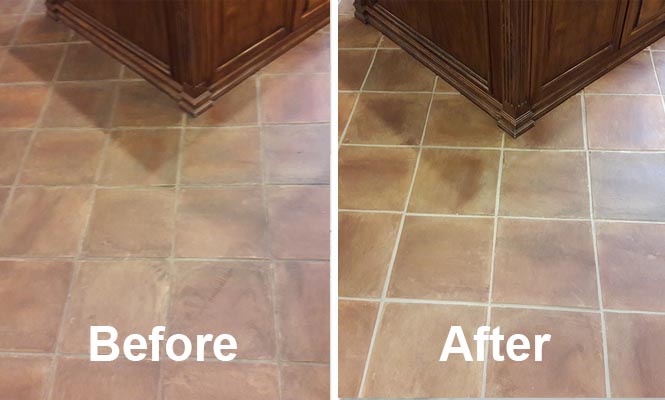
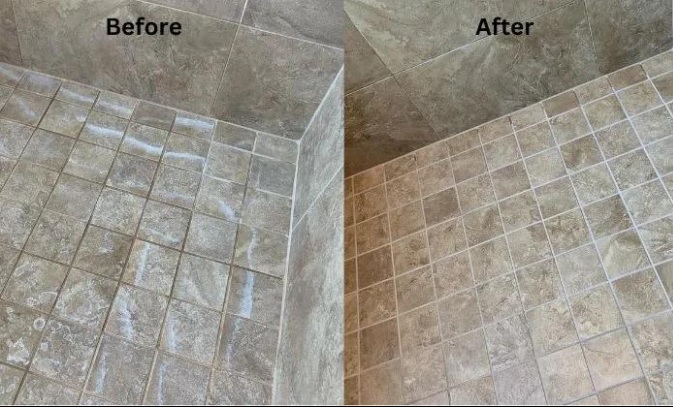
Yes, regrouting can be an effective solution when the existing grout is old, damaged, cracked or heavily affected by mould.
During professional regrouting, the old grout is carefully removed from between the tiles. The joints are then prepared before new grout is applied.
This can provide several benefits:
- Removes old damaged grout
- Improves the appearance of the shower
- Helps reduce areas where mould can remain
- Restores the tile joints
- Helps protect the shower from moisture penetration
- Gives the bathroom a cleaner and fresher appearance
However, regrouting should not be treated as a simple cover-up. The existing grout needs to be properly removed and the underlying condition of the shower should be checked.
What If Mould Keeps Coming Back After Regrouting?
If mould continues to appear after professional regrouting, there may be another moisture problem.
For example, the issue could be related to:
- Failed shower silicone
- Water getting behind tiles
- Poor ventilation
- Damaged waterproofing
- Leaking plumbing
- Water pooling around the shower
- Persistent condensation
This is why it is important to inspect the shower rather than simply applying new grout over the existing problem.
Regrouting vs Cleaning Mouldy Grout
There is a major difference between cleaning and regrouting.
Cleaning treats the surface. Regrouting involves removing old grout and replacing it with new material.
If your grout is still in good condition and the mould is only superficial, professional cleaning may be enough.
But if the grout is cracked, loose, badly discoloured, deteriorated or repeatedly develops mould, regrouting may provide a more suitable long-term solution.
What About Epoxy Grout?
Epoxy grout is another option for some shower applications. Unlike traditional cement-based grout, epoxy grout is highly resistant to water and staining when correctly installed.
It can be particularly useful in wet areas because it is less porous than traditional grout.
However, epoxy grout needs to be installed correctly. Proper preparation and application are important for achieving a clean and durable finish.
If you are considering epoxy shower regrouting in Auckland, a professional can assess your existing shower and recommend the appropriate option.
Should Shower Silicone Be Replaced Too?
Regrouting and silicone replacement often go together.
Silicone is commonly used around areas such as shower corners, joints and the connection between different surfaces. Over time, silicone can become cracked, loose, stained or mouldy.
If the silicone is damaged, simply replacing the grout may not address the entire moisture problem.
Professional shower restoration may therefore include both tile regrouting and silicone replacement where required.
How Does Professional Tile Shower Regrouting Work?
The exact process can vary depending on the condition of the shower, but professional regrouting generally involves several steps.
1. Shower Inspection
The condition of the grout, tiles and silicone is checked to identify the extent of the problem.
2. Old Grout Removal
Damaged and deteriorated grout is carefully removed from the tile joints.
3. Joint Preparation
The joints are cleaned and prepared so the new grout can bond correctly.
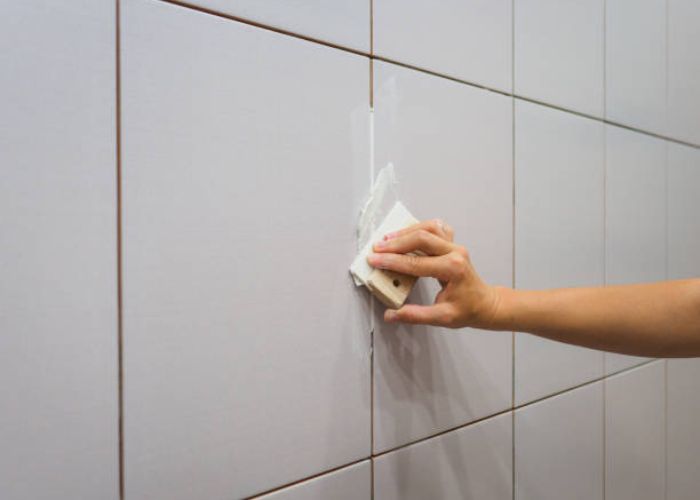
4. New Grout Application
Fresh grout is applied to the prepared joints to create a clean and consistent finish.
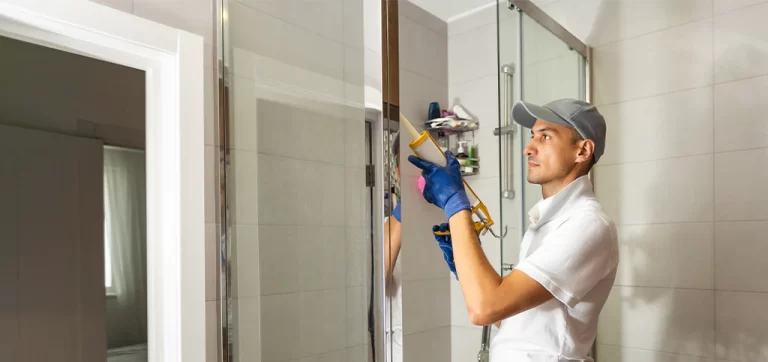
5. Silicone Replacement
Where required, old or damaged silicone is removed and replaced.
6. Final Inspection
The finished shower is checked to ensure the grout and silicone have been properly applied.
How Can Auckland Homeowners Prevent Mouldy Grout?
Once your shower has been professionally regrouted, regular maintenance can help keep the area cleaner for longer.
Simple habits can include:
- Use the bathroom extractor fan during and after showers
- Allow the shower area to dry properly
- Wipe excess water from shower surfaces
- Keep grout and tiles clean
- Check silicone joints regularly
- Deal with damaged grout as soon as you notice it
- Avoid allowing water to remain around the shower floor
Good ventilation is particularly important because reducing moisture can help limit mould growth.
When Should You Consider Shower Regrouting?
You may want to consider professional shower regrouting if you notice:
- Black or mouldy grout
- Cracked grout lines
- Missing grout
- Loose or deteriorated grout
- Persistent discolouration
- Mould that keeps returning after cleaning
- Water escaping around the shower area
- Old or damaged silicone
- A shower that looks tired despite regular cleaning
Addressing these problems early may help prevent further deterioration.
Professional Shower Regrouting in Auckland
Mouldy shower grout does not always mean that you need a complete bathroom renovation. If the tiles and other parts of the shower are still in reasonable condition, professional regrouting may be a practical way to restore the appearance and condition of the shower.
A professional assessment can help determine whether your shower needs simple grout repair, complete tile shower regrouting, epoxy regrouting, silicone replacement or further investigation for a possible leak.
If your Auckland shower has mouldy, cracked or damaged grout, getting the problem assessed early can help you understand the best repair option for your bathroom.
Frequently Asked Questions
Can mouldy shower grout be regrouted?
Yes. If the existing grout is damaged or heavily affected by mould, the old grout can be removed and replaced with new grout. The cause of the moisture or mould should also be considered.
Will regrouting stop shower mould permanently?
Regrouting can remove damaged grout, but it cannot guarantee that mould will never return. Good ventilation, regular maintenance and addressing underlying moisture problems are also important.
Is epoxy grout better for a shower?
Epoxy grout is highly resistant to water and staining and can be suitable for shower areas. The right grout depends on the shower, tiles and installation requirements.
Does mouldy grout mean my shower is leaking?
Not necessarily. Mould can develop because of normal moisture and poor ventilation. However, persistent mould, damaged grout or water escaping from the shower may indicate a moisture or waterproofing problem that should be investigated.
How much does shower regrouting cost in Auckland?
The cost depends on the size and condition of the shower, the amount of old grout that needs to be removed, the type of grout selected and whether silicone replacement or other repairs are required. A professional inspection is the best way to obtain an accurate quote.
How long does shower regrouting take?
The time required depends on the size and condition of the shower and the type of regrouting work involved. A professional can provide a more accurate timeframe after inspecting the shower.
Need Help With Mouldy Shower Grout in Auckland?
If your shower grout is mouldy, cracked or repeatedly becoming discoloured, professional regrouting may help restore your shower without the cost and disruption of a complete bathroom renovation.
A professional shower inspection can identify the condition of the existing grout and silicone and help determine the most suitable solution for your Auckland bathroom.d into deteriorated grout, cleaning may only remove the visible surface. The dark marks can return after