Shower Regrouting and Silicone Replacement: Why Both Matter
When a shower starts looking old, mouldy or damaged, many Auckland homeowners focus on the grout between the tiles. But grout is only one part of the shower.
The silicone around corners, joints and changes of surface also plays an important role in helping keep water where it belongs.
This is why professional shower restoration often involves both shower regrouting and silicone replacement. Replacing only one while leaving the other damaged may mean that some of the original problem remains.
If your shower has cracked grout, mouldy silicone or signs of water escaping around the joints, it may be time to have both checked.
What Is Shower Grout?
Grout is the material placed between individual tiles. It fills the joints and creates a finished surface across the tiled area.
Over time, shower grout can become:
- Cracked
- Discoloured
- Mouldy
- Loose
- Porous
- Missing from some joints
Constant exposure to water, cleaning products and normal bathroom use can contribute to grout deterioration.
When grout becomes damaged, professional shower regrouting can remove the old material and replace it with fresh grout.
What Is Shower Silicone?
Silicone is a flexible sealant commonly used around areas where different surfaces meet.
You may find silicone:
- In shower corners
- Along wall-to-floor joints
- Around shower trays
- Around changes in surface
- Around certain bathroom fixtures
Unlike grout, silicone is flexible. This allows it to accommodate some movement between surfaces.
Over time, however, silicone can deteriorate and become cracked, loose, stained or mouldy.
Why Do Shower Grout and Silicone Need Different Treatment?
Although grout and silicone are both found in tiled showers, they have different functions.
Grout is mainly used between tiles, while silicone is used to create flexible seals at joints and changes in surfaces.
Because they perform different jobs, replacing damaged grout does not automatically repair damaged silicone.
For example, you could have fresh grout between your tiles but still have old, cracked silicone around the corners.
This is why both areas should be inspected during shower restoration.
What Happens When Silicone Becomes Damaged?
Old silicone can develop visible signs of deterioration.
You may notice:
- Black mould
- Cracks
- Gaps
- Peeling
- Shrinkage
- Discolouration
- Sections separating from the surface
Damaged silicone can allow water to enter areas where it should not.
If you notice these signs, simply cleaning the silicone may not be enough. In many cases, the old silicone needs to be removed before new silicone can be applied.
Why Regrouting Alone May Not Be Enough
Imagine that your shower grout has become cracked and mouldy.
You have the grout professionally replaced, but the silicone in the corners is still old and cracked.
The shower may look much better, but the damaged silicone remains.
This is one reason professional shower regrouting services often assess both grout and silicone rather than looking at the grout alone.
A complete assessment helps identify whether the shower needs:
- Grout replacement
- Silicone replacement
- Both grout and silicone replacement
- Further investigation of a possible moisture problem
How Professional Shower Regrouting Works
The exact process depends on the condition of the shower, but professional regrouting generally includes several stages.
1. Shower Inspection
The condition of the grout, silicone, tiles and visible joints is assessed.
This helps determine how much work is required.
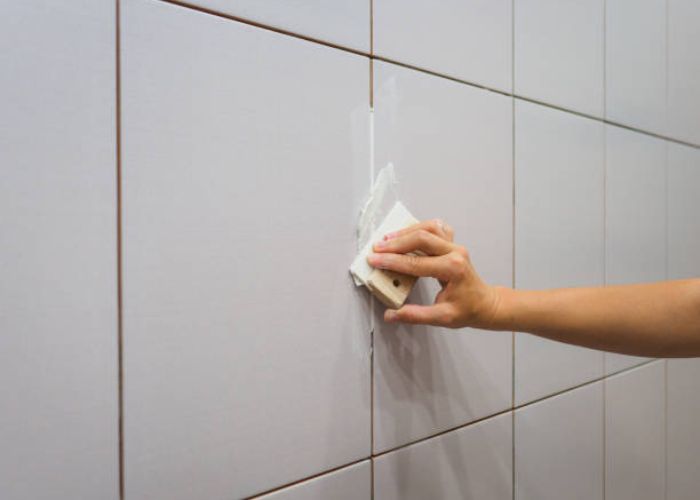
2. Old Grout Removal
Damaged or deteriorated grout is carefully removed from the tile joints.
The joints are then cleaned and prepared for the new grout.
3. New Grout Application
Fresh grout is applied to the prepared joints and finished to create a clean appearance.
Depending on the shower and requirements, different grout options may be available.
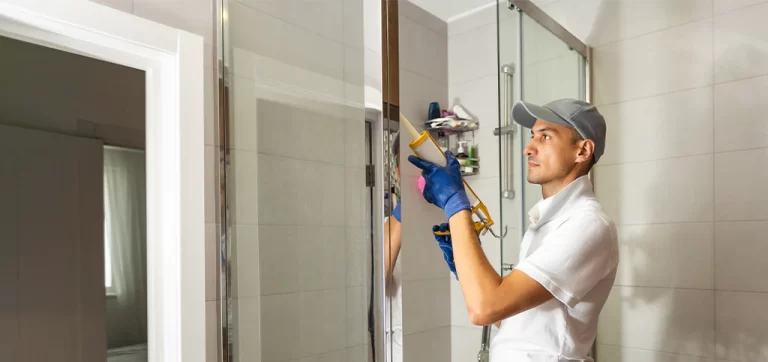
4. Old Silicone Removal
Where silicone is damaged, mouldy or deteriorated, the old sealant is carefully removed.
5. Surface Preparation
The surfaces are cleaned and prepared before the new silicone is applied.
6. New Silicone Application
Fresh silicone is applied to the required joints, creating a clean and flexible seal.
Can Silicone Replacement Help With Shower Leaks?
It can, depending on the cause of the water problem.
If damaged or failed silicone is allowing water to escape through a joint, replacing the silicone may help restore the seal.
However, not every shower leak is caused by silicone.
Water problems can also be associated with:
- Plumbing
- Waterproofing
- Loose tiles
- Damaged shower fittings
- Structural movement
- Other areas of the shower construction
For this reason, persistent leaks should be properly assessed rather than assuming that silicone replacement alone will solve them.
Should You Choose Epoxy Grout?
Epoxy grout can be another option for some shower applications.
It is highly resistant to water and staining and can be suitable for wet areas when correctly installed.
However, epoxy grout is different from traditional cement-based grout and requires careful preparation and application.
If you are considering epoxy shower regrouting in Auckland, a professional can inspect the existing shower and discuss whether it is suitable.
Signs Your Shower May Need Both Services
You may want to have your grout and silicone inspected if you notice:
- Cracked grout
- Mould between tiles
- Missing grout
- Loose grout
- Black silicone
- Cracked silicone
- Gaps around shower corners
- Water escaping from joints
- Persistent dampness
- Grout that repeatedly becomes mouldy
Having both checked can help you understand the overall condition of the shower.
Can Regrouting and Silicone Replacement Improve an Old Shower?
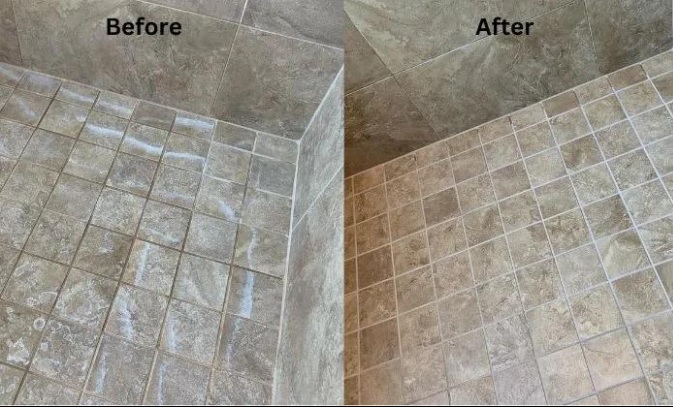
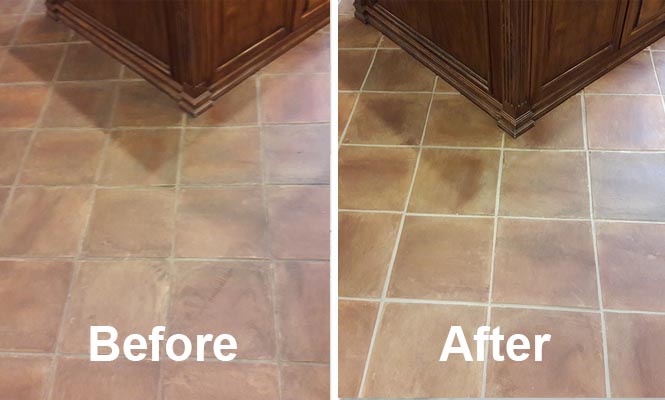
Yes. When the tiles and underlying shower structure are still in reasonable condition, replacing damaged grout and silicone can make a significant visual difference.
Fresh grout creates clean lines between the tiles, while new silicone provides a neat finish around corners and joints.
This can make an older shower look cleaner and more recently maintained without replacing all the tiles.
Regrouting vs Bathroom Renovation
Not every damaged shower needs a complete bathroom renovation.
If the main problems are deteriorated grout and silicone, professional regrouting and silicone replacement may be a more practical option.
A full renovation may be necessary when there are extensive problems with:
- Tiles
- Waterproofing
- Plumbing
- Shower structure
- Bathroom layout
A professional assessment can help determine which type of work is appropriate.
How to Look After Your Shower After Regrouting
Once your grout and silicone have been replaced, regular maintenance can help keep your shower in good condition.
Some simple habits include:
- Use an extractor fan during and after showering
- Keep the bathroom well ventilated
- Remove excess water from shower surfaces
- Clean grout regularly
- Avoid harsh cleaning methods
- Check silicone joints for cracks or mould
- Look for damaged grout early
- Keep the shower as dry as practical between uses
Good ventilation is particularly useful for reducing excess moisture and helping control mould.
Why Choose Professional Shower Regrouting in Auckland?
Shower regrouting and silicone replacement may look like simple DIY jobs, but proper preparation is important.
Old grout and silicone need to be removed carefully, surfaces need to be properly prepared, and new materials need to be applied correctly.
Professional shower restoration can help ensure that the damaged areas are properly addressed rather than simply covered up.
For Auckland homeowners, this can be a practical way to improve an ageing shower without automatically committing to a complete bathroom renovation.
Frequently Asked Questions
Should I replace silicone when regrouting my shower?
If the existing silicone is cracked, mouldy, loose or deteriorated, replacing it at the same time as the grout can be a sensible option.
Can you regrout without replacing silicone?
Yes. If the silicone is still in good condition, it may not need replacement. Its condition should be assessed before deciding.
How often should shower silicone be replaced?
There is no fixed replacement schedule. It depends on the condition of the silicone, moisture exposure, installation and maintenance.
Can mouldy silicone be cleaned?
Surface mould may sometimes be cleaned, but heavily mouldy or deteriorated silicone may need to be removed and replaced.
Can regrouting and silicone replacement stop a shower leak?
They may help if damaged grout or silicone is contributing to the leak. However, plumbing or waterproofing problems require further investigation.
Is epoxy grout better for showers?
Epoxy grout is highly resistant to water and staining and can be suitable for shower areas. The correct choice depends on the shower and installation requirements.
Professional Shower Regrouting and Silicone Replacement in Auckland
Your shower grout and silicone work together as part of the overall tiled shower system, but they perform different functions.
Cracked grout, mouldy joints and deteriorated silicone should not simply be ignored. Addressing these problems early can help maintain the appearance and condition of your shower.
If your Auckland shower has damaged grout or silicone, a professional inspection can determine whether you need shower regrouting, silicone replacement, epoxy grout or further investigation of an underlying moisture problem.
When both grout and silicone are showing signs of age, dealing with them together can provide a cleaner, more complete shower restoration.